Choosing the right skin‑rejuvenation treatment can feel overwhelming, especially with so many effective options available today. At Nida Medspa, led by Internal Medicine physician Dr. Nidah Khan and serving clients in East Longmeadow and Springfield, MA, many individuals seek guidance on whether a HydraFacial or chemical peel is better suited for their skin. Both treatments offer impressive benefits, but they work in different ways and address different concerns. Understanding how each treatment functions can help you make an informed decision that aligns with your goals.
HydraFacials and chemical peels are both designed to exfoliate, brighten, and rejuvenate the skin, but they vary in intensity, downtime, and the types of concerns they target. By learning the distinctions between them, you can feel more confident selecting the treatment that best supports your skin’s needs. Whether you’re looking for a gentle refresh or deeper resurfacing, both options offer unique advantages worth exploring.
Understanding the HydraFacial Experience
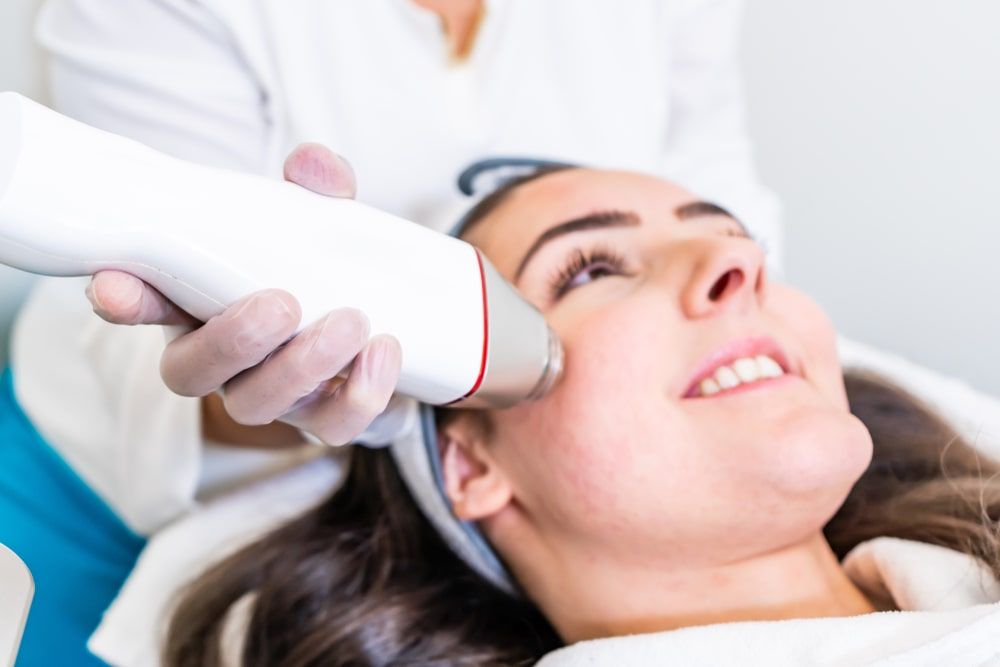
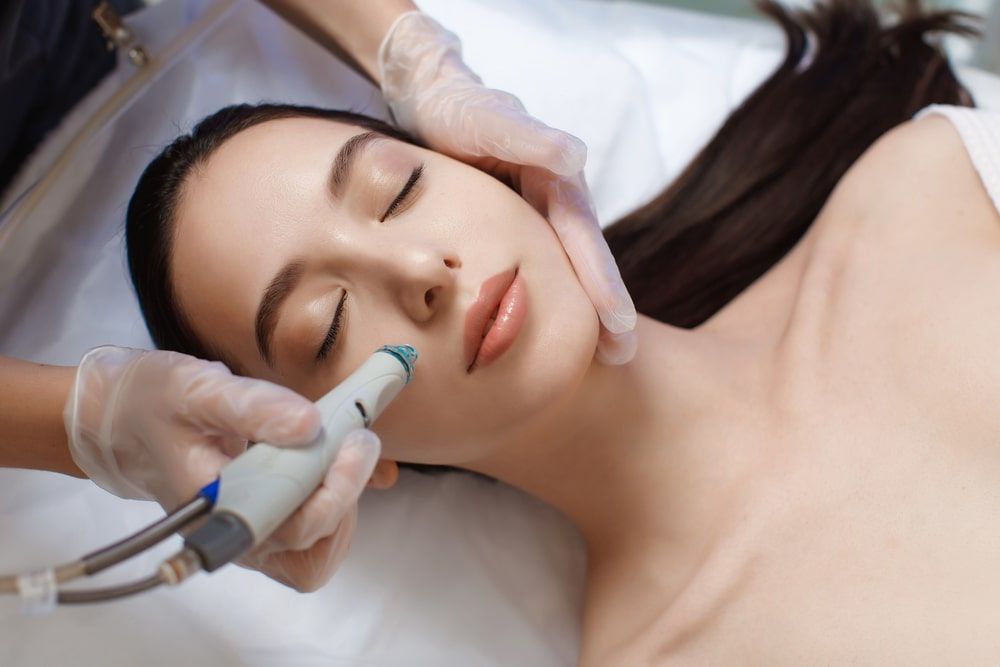
A HydraFacial is a non‑invasive, multi‑step treatment that cleanses, exfoliates, extracts, and hydrates the skin using a specialized device. This treatment is known for its ability to deliver immediate radiance without discomfort or downtime. The process typically includes gentle suction to remove impurities, followed by infusion of hydrating serums that nourish the skin. Because it is customizable, a HydraFacial can address concerns such as dullness, congestion, dryness, and uneven texture.
One of the key benefits of a HydraFacial is its suitability for nearly all skin types, including sensitive skin. The treatment’s gentle nature makes it an excellent option for individuals seeking a quick glow before an event or those who prefer a mild yet effective approach to exfoliation. Many people appreciate that the skin feels refreshed and plump immediately afterward, with results that continue to improve over several days.
HydraFacials can also complement other skincare treatments. For example, individuals dealing with breakouts may pair this treatment with targeted acne treatment options, while those seeking enhanced rejuvenation may explore services like microneedling or a laser facial at different times in their skincare journey.
How Chemical Peels Work
Chemical peels use carefully selected acids to exfoliate the skin at varying depths. These solutions encourage the shedding of dead skin cells, revealing smoother, brighter, and more even‑toned skin beneath. Chemical peels come in different strengths—light, medium, and deep—allowing providers to tailor the treatment to concerns such as hyperpigmentation, fine lines, acne scars, and uneven texture. Lighter peels offer subtle rejuvenation with minimal downtime, while deeper peels provide more dramatic results but require a longer recovery period.
The exfoliation process triggered by a chemical peel stimulates cell turnover, which can significantly improve skin clarity and radiance. Many individuals choose chemical peels to address sun damage or stubborn discoloration, as the acids used can penetrate deeper layers of the skin compared to surface‑level exfoliation. This makes chemical peels a powerful option for those seeking more transformative results.
Chemical peels can also be part of a broader skincare plan. For example, individuals targeting pigmentation may explore treatments such as IPL for pigment removal at separate appointments, while those focusing on overall rejuvenation may consider combining peels with collagen‑stimulating treatments like fractioned radiofrequency over time.
Choosing the Right Treatment for Your Skin
Deciding between a HydraFacial and a chemical peel depends on your skin type, goals, and tolerance for downtime. A HydraFacial may be ideal if you want a gentle, hydrating treatment with instant results and no recovery period. It’s also a great choice for sensitive skin or for maintaining a healthy glow on a regular basis. On the other hand, a chemical peel may be more appropriate if you’re targeting deeper concerns such as pigmentation, fine lines, or acne scarring and are comfortable with some degree of peeling or downtime.
To help guide your decision, consider the following:
• HydraFacial: Best for hydration, gentle exfoliation, and immediate radiance.
• Chemical Peel: Best for deeper resurfacing, pigmentation correction, and long‑term texture improvement.
Both treatments offer meaningful benefits, and many individuals incorporate both into their long‑term skincare routine at different times. Consulting with a knowledgeable provider can help ensure your treatment plan is tailored to your skin’s unique needs.
Closing Thoughts
Understanding the differences between HydraFacials and chemical peels can help you make a confident, informed decision about your skincare journey. At Nida Medspa in East Longmeadow and Springfield, MA, Dr. Nidah Khan and her team aim to educate clients so they can choose the treatment that best aligns with their goals. With the right approach, both options can support healthier, more radiant skin.
Resources
Berson, D. S., Cohen, J. L., & Rendon, M. I. (2009). Clinical role and application of superficial chemical peels. Journal of Drugs in Dermatology.
Jones, D. H. (2018). Hydradermabrasion for facial rejuvenation: A review of clinical outcomes. Journal of Cosmetic Dermatology.
Sharad, J. (2013). Glycolic acid peel therapy—a current review. Clinical, Cosmetic and Investigational Dermatology.