Skin tightening treatments have evolved significantly over the past decade, offering more advanced and effective ways to address laxity, fine lines, and uneven texture. At Nida Medspa, led by Internal Medicine physician Dr. Nidah Khan and serving clients in East Longmeadow and Springfield, MA, many individuals are interested in understanding how fractional radiofrequency works and why it has become a leading option for non‑surgical rejuvenation. This technology blends controlled heat with precision delivery to stimulate collagen and improve overall skin quality.
Fractional radiofrequency is designed to target deeper layers of the skin without damaging the surface, making it a versatile option for those seeking firmer, smoother, and more youthful‑looking skin. By learning how this treatment works and what benefits it offers, you can better determine whether it aligns with your long‑term aesthetic goals. Its ability to support natural collagen remodeling makes it a compelling choice for individuals looking for gradual, natural‑appearing improvements.
How Fractional Radiofrequency Works
Fractional radiofrequency uses energy waves to deliver controlled heat into the dermis, the deeper layer of the skin where collagen and elastin fibers are found. This heat triggers a process known as collagen denaturation, which stimulates the body to produce new collagen as part of its natural healing response. Over time, this leads to firmer, tighter skin and improved elasticity. Because the energy is delivered fractionally—meaning in small, targeted zones—the surrounding tissue remains intact, allowing for faster recovery.
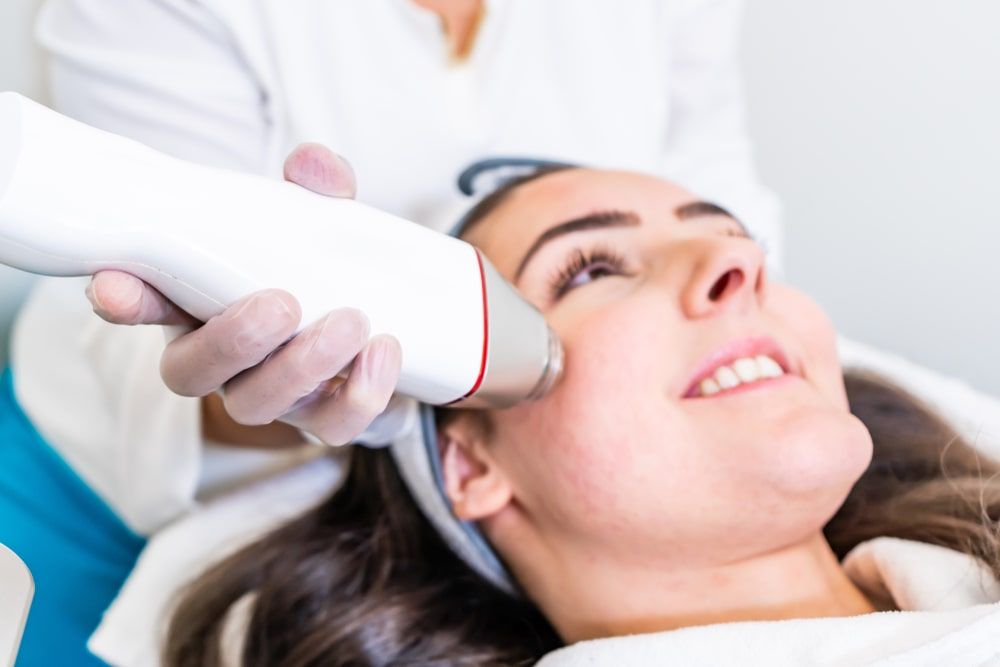
The treatment is often performed using a device equipped with microneedles or specialized applicators that help deliver energy precisely where it is needed. These micro‑injuries further enhance collagen remodeling by activating the skin’s repair mechanisms. As the skin heals, improvements in texture, tone, and firmness become more noticeable. This dual approach of heat and controlled injury makes fractional radiofrequency a powerful tool for rejuvenation.
Fractional radiofrequency can also complement other treatments. For example, individuals seeking enhanced texture improvement may explore microneedling at separate appointments, while those targeting pigmentation may consider IPL treatment for pigment removal as part of a broader skincare plan. These combinations allow for a more comprehensive approach to skin health.
Benefits of Fractional Radiofrequency Skin Tightening
One of the primary benefits of fractional radiofrequency is its ability to tighten loose or sagging skin. As collagen production increases, the skin gradually becomes firmer and more lifted. This makes the treatment especially appealing for areas such as the jawline, cheeks, neck, and around the eyes. Because the results develop over time, the improvements appear natural and subtle, avoiding the overly tight look sometimes associated with more aggressive procedures.
Fractional radiofrequency is also effective for improving skin texture. Individuals with fine lines, acne scars, or roughness often notice smoother, more refined skin as collagen remodeling progresses. The treatment can help reduce the appearance of enlarged pores and create a more even complexion. Its versatility makes it suitable for a wide range of skin types and concerns, offering a customizable approach to rejuvenation.
Another advantage is the minimal downtime associated with the procedure. While some redness or mild swelling may occur, these effects typically resolve quickly, allowing individuals to return to their daily routines. This makes fractional radiofrequency a convenient option for those with busy schedules who still want meaningful improvements in skin quality.
Who Can Benefit From Fractional Radiofrequency
Fractional radiofrequency is well‑suited for individuals seeking non‑surgical skin tightening and rejuvenation. It is particularly beneficial for those experiencing early to moderate signs of aging, such as mild laxity, fine lines, and uneven texture. Because the treatment stimulates natural collagen production, it supports long‑term improvements rather than temporary surface‑level changes.
People with acne scarring or textural irregularities may also benefit from fractional radiofrequency, as the controlled heat and micro‑injuries encourage the skin to rebuild itself. For individuals with multiple concerns, this treatment can be part of a broader plan that includes options like chemical peels or a laser facial at separate visits to address pigmentation, dullness, or surface irregularities.
Fractional radiofrequency is also appealing to those who prefer treatments that enhance the skin’s natural healing processes. Because it relies on the body’s own regenerative abilities, the results tend to look authentic and harmonious with the individual’s natural features.
Closing Thoughts
Fractional radiofrequency skin tightening offers a powerful, science‑backed approach to improving firmness, texture, and overall skin quality. At Nida Medspa in East Longmeadow and Springfield, MA, Dr. Nidah Khan and her team emphasize education to help clients understand how this technology supports long‑term rejuvenation. With its ability to stimulate collagen and enhance natural healing, fractional radiofrequency continues to be a trusted option for those seeking meaningful, non‑surgical skin improvement.
Resources
Gold, M. H. (2010). Tissue tightening: A hot topic utilizing deep dermal heating. Journal of Dermatologic Surgery.
Elsaie, M. L. (2009). Radiofrequency facial rejuvenation: Evidence-based review. Journal of Cosmetic Dermatology.
Sadick, N. S., & Makino, Y. (2004). Selective electro-thermolysis in aesthetic medicine. Journal of Cosmetic and Laser Therapy.