Skin rejuvenation treatments continue to evolve, offering more advanced and effective ways to restore a youthful, radiant complexion. At Nida Medspa, led by Internal Medicine physician Dr. Nidah Khan and serving clients in East Longmeadow and Springfield, MA, many individuals are curious about how combining microneedling with PRP facial injections enhances results. This powerful pairing has gained popularity for its ability to stimulate collagen, improve texture, and promote natural healing.
Microneedling with PRP is often referred to as a “collagen‑boosting duo” because it merges two proven techniques into one synergistic treatment. Microneedling creates controlled micro‑injuries in the skin, while PRP—platelet‑rich plasma derived from your own blood—delivers growth factors that accelerate repair. Together, they create a rejuvenation process that is both natural and highly effective. Understanding how these treatments work individually and together can help you decide whether this approach aligns with your skin goals.
How Microneedling Works
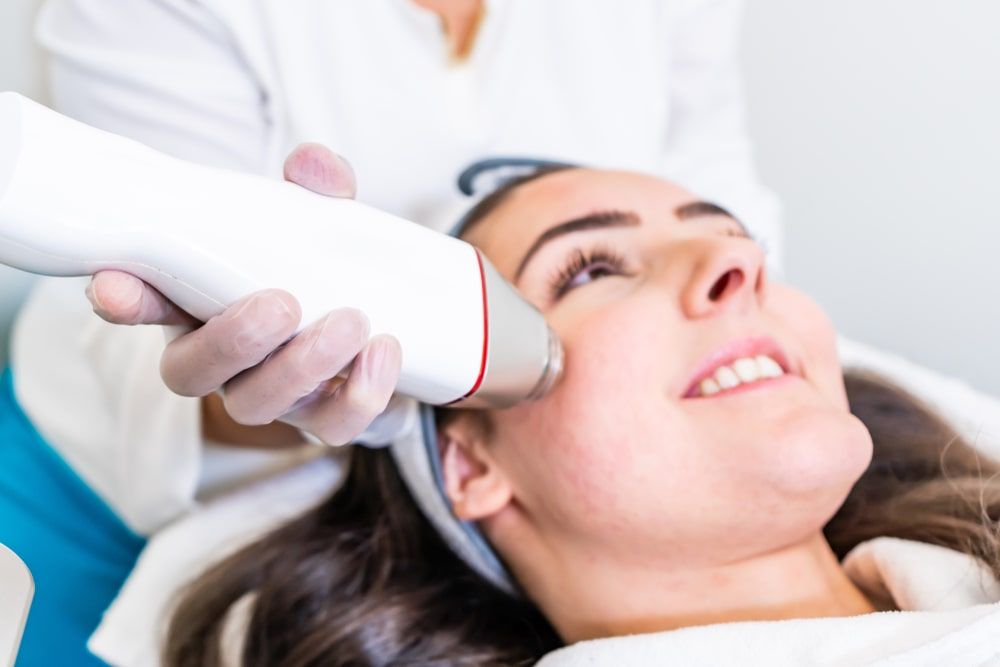
Microneedling is a minimally invasive procedure that uses fine needles to create tiny channels in the skin. These micro‑injuries trigger the body’s natural healing response, stimulating collagen and elastin production. As the skin repairs itself, it becomes smoother, firmer, and more even in tone. This makes microneedling a valuable option for addressing concerns such as fine lines, enlarged pores, acne scars, and overall texture irregularities.
The controlled nature of microneedling allows for precise targeting of problem areas while maintaining the integrity of the surrounding skin. Over time, repeated treatments can significantly improve skin quality by encouraging ongoing collagen remodeling. Because the process relies on the body’s natural healing mechanisms, results appear gradually and continue to improve for several weeks.
Microneedling can also complement other skin‑enhancing treatments. For example, individuals concerned with pigmentation may explore IPL treatment for pigment removal at separate appointments, while those seeking deeper rejuvenation may consider modalities such as fractioned radiofrequency to further stimulate collagen production.
The Role of PRP in Skin Rejuvenation
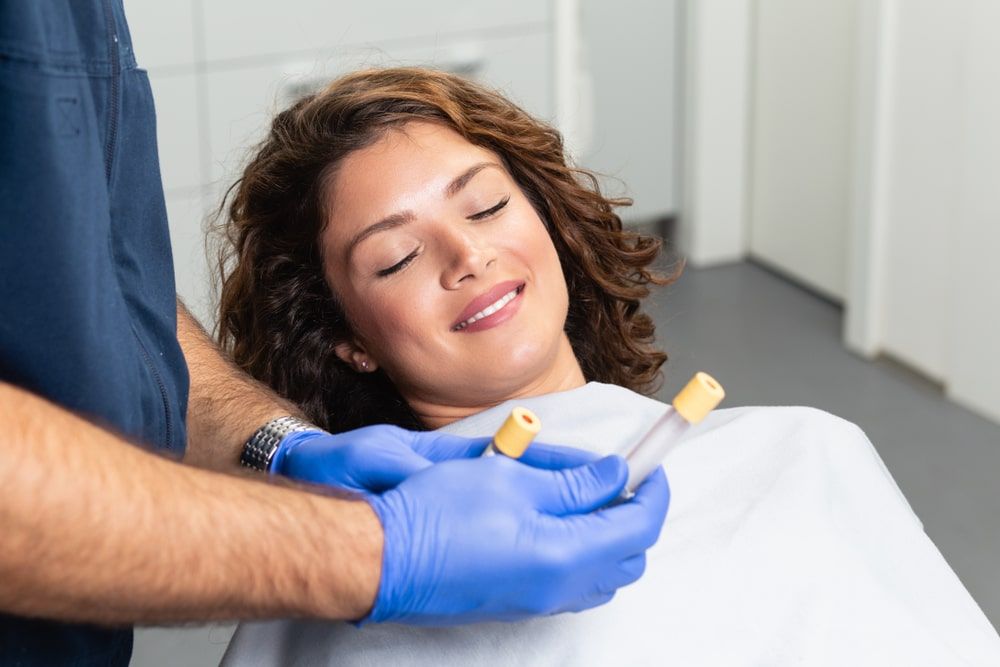
PRP, or platelet‑rich plasma, is derived from a small sample of your own blood. After being processed in a centrifuge, the plasma becomes concentrated with growth factors that support tissue repair and regeneration. These growth factors play a crucial role in healing, making PRP a powerful addition to microneedling treatments. When applied to the skin after microneedling, PRP penetrates the micro‑channels, enhancing absorption and accelerating rejuvenation.
The use of PRP can amplify the benefits of microneedling by promoting faster healing, reducing inflammation, and encouraging more robust collagen production. Many individuals notice improved skin tone, enhanced radiance, and a smoother texture as the skin regenerates. Because PRP is derived from your own body, it is well‑tolerated and carries minimal risk of adverse reactions.
PRP is also used in other aesthetic and wellness applications, including hair restoration and regenerative therapies. Its versatility stems from its ability to stimulate cellular repair, making it a valuable tool in multiple areas of rejuvenation.
Why Combining Microneedling and PRP Enhances Results
When microneedling and PRP are combined, the benefits of each treatment are amplified. Microneedling creates the ideal environment for PRP to penetrate deeply into the skin, while PRP accelerates the healing process initiated by microneedling. This synergy leads to more noticeable improvements in texture, tone, and firmness compared to microneedling alone.
The combination is especially beneficial for individuals seeking natural‑looking rejuvenation without synthetic ingredients or extensive downtime. Because the treatment relies on the body’s own healing mechanisms, results develop gradually and look authentic. Many people appreciate that the skin appears refreshed, plump, and more youthful as collagen production increases over time.
This approach can also be part of a broader skincare plan. For example, individuals targeting acne scars may pair microneedling with other treatments such as acne treatment at separate visits, while those seeking overall radiance may explore complementary options like a HydraFacial or laser facial to maintain long‑term skin health.
Closing Thoughts
Microneedling with PRP offers a powerful, natural approach to skin rejuvenation by combining collagen stimulation with regenerative growth factors. At Nida Medspa in East Longmeadow and Springfield, MA, Dr. Nidah Khan and her team emphasize education to help clients understand how this treatment supports healthier, more radiant skin. With its ability to enhance texture, tone, and overall vitality, this combination therapy continues to be a popular choice for those seeking meaningful, long‑lasting results.
Resources
Alam, M., et al. (2014). Safety and efficacy of microneedling for acne scars. Dermatologic Surgery.
Marx, R. E. (2004). Platelet-rich plasma: Evidence to support its use. Journal of Oral and Maxillofacial Surgery.
Singh, A., & Yadav, S. (2016). Microneedling: Advances and widening horizons. Indian Dermatology Online Journal.