Platelet-rich plasma (PRP) has become one of the most talked‑about approaches to natural skin rejuvenation, thanks to its ability to harness the body’s own healing mechanisms. At Nida Medspa, led by Internal Medicine physician Dr. Nidah Khan and serving clients in East Longmeadow and Springfield, MA, many individuals are curious about how PRP facials work and why they are so effective. By using concentrated growth factors derived from your own blood, PRP supports tissue repair, collagen production, and overall skin revitalization.
A PRP facial typically involves applying or injecting platelet-rich plasma into the skin to stimulate regeneration. Because PRP comes from your own body, it is biocompatible and well‑tolerated, making it a compelling option for those seeking natural enhancement. Understanding how PRP interacts with the skin can help you appreciate why this treatment has become a cornerstone in regenerative aesthetics.
What PRP Is and How It Works
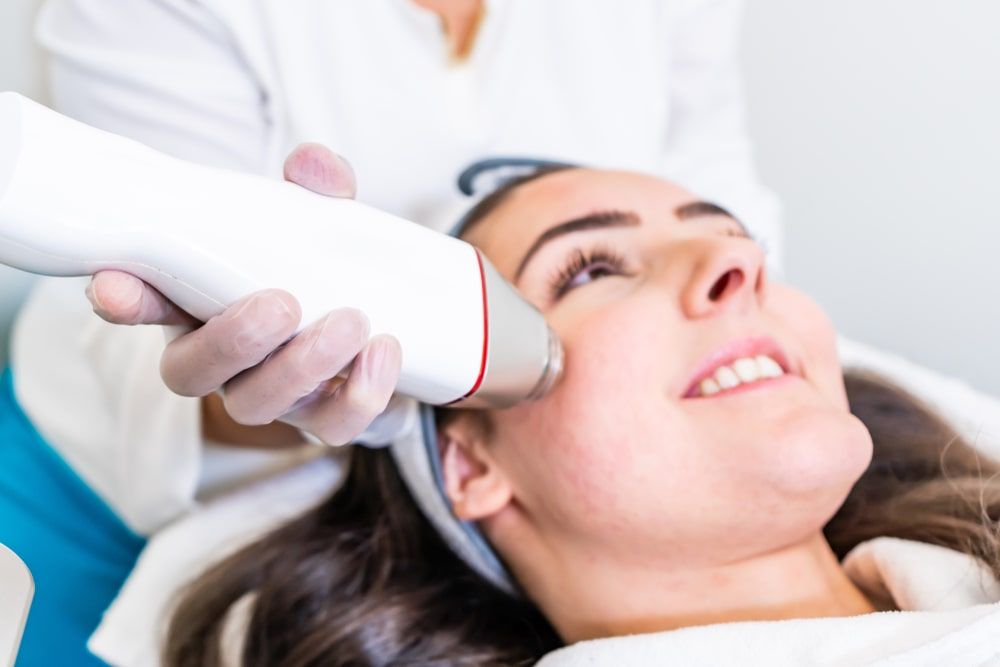
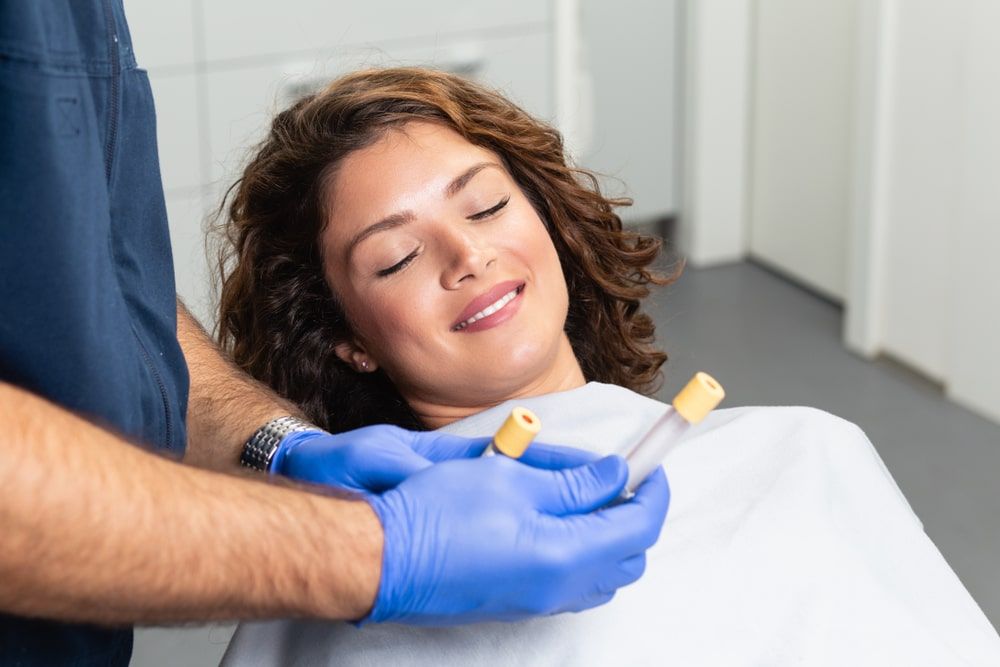
PRP is created by drawing a small amount of blood and spinning it in a centrifuge to separate the plasma from other components. This plasma becomes highly concentrated with platelets, which contain growth factors essential for healing. When applied to the skin through a PRP facial or combined with treatments like microneedling, these growth factors penetrate deeply and signal the body to repair and regenerate tissue.
The growth factors in PRP play a key role in stimulating collagen and elastin production. Collagen is responsible for skin firmness and structure, while elastin contributes to elasticity. As the skin begins to rebuild itself, improvements in texture, tone, and overall radiance become more noticeable. This natural process makes PRP an appealing option for individuals looking to enhance their skin without synthetic ingredients.
PRP is also used in other regenerative applications, such as hair restoration, because of its ability to support cellular repair. Its versatility highlights the powerful role growth factors play in rejuvenation throughout the body.
How PRP Facials Support Natural Skin Healing
PRP facials work by enhancing the skin’s natural healing response. When PRP is applied or injected, it activates a cascade of biological processes that encourage tissue repair. This includes increased blood flow, accelerated cell turnover, and enhanced collagen remodeling. Over time, these changes contribute to smoother, healthier, and more youthful-looking skin.
One of the most significant benefits of PRP facials is their ability to improve skin texture. Individuals with acne scars, fine lines, or uneven tone often notice meaningful improvements as the skin regenerates. Because PRP stimulates healing from within, results develop gradually and look natural. This makes PRP a valuable option for those seeking subtle yet impactful rejuvenation.
PRP facials can also complement other skin treatments. For example, individuals targeting pigmentation may explore IPL treatment for pigment removal at separate appointments, while those seeking enhanced radiance may consider pairing PRP with treatments like a HydraFacial or chemical peel as part of a long‑term skincare plan.
Why PRP Is Considered a Natural Approach
One of the reasons PRP facials have gained popularity is their natural foundation. Because PRP is derived from your own blood, the treatment avoids synthetic additives and reduces the risk of adverse reactions. This makes PRP an appealing option for individuals who prefer biologically based therapies or who may be sensitive to certain skincare ingredients.
PRP also aligns with the body’s natural healing rhythms. Instead of forcing change, it enhances processes already occurring within the skin. This approach supports long‑term improvements in skin health rather than temporary surface‑level changes. Many individuals appreciate that PRP facials not only improve appearance but also strengthen the skin’s underlying structure.
This natural method of rejuvenation can be part of a broader wellness and aesthetic plan. For example, individuals seeking overall skin vitality may explore treatments like fractioned radiofrequency or laser facials at separate visits to complement the regenerative effects of PRP.
Closing Thoughts
PRP facials offer a powerful, natural approach to skin healing by using the body’s own growth factors to stimulate repair and rejuvenation. At Nida Medspa in East Longmeadow and Springfield, MA, Dr. Nidah Khan and her team emphasize education to help clients understand how PRP supports healthier, more radiant skin. With its ability to enhance texture, tone, and overall vitality, PRP continues to be a trusted option for those seeking natural, long‑lasting rejuvenation.
Resources
Alam, M., et al. (2014). Safety and efficacy of microneedling for acne scars. Dermatologic Surgery.
Marx, R. E. (2004). Platelet-rich plasma: Evidence to support its use. Journal of Oral and Maxillofacial Surgery.
Singh, A., & Yadav, S. (2016). Platelet-rich plasma in dermatology: Applications and outcomes. Indian Dermatology Online Journal.