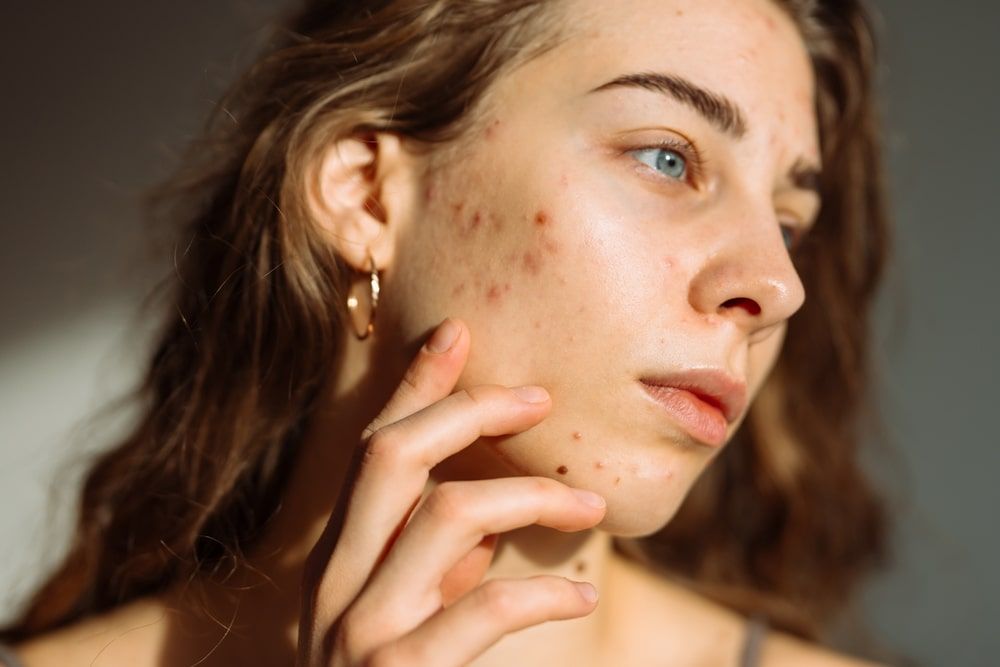
Acne is often thought of as a teenage concern, but many adults continue to struggle with breakouts well into their 30s, 40s, and beyond. At Nida Medspa, led by Internal Medicine physician Dr. Nidah Khan and serving clients in East Longmeadow and Springfield, MA, adults frequently seek clarity on why acne persists and what modern treatments can do to help. Understanding the underlying causes of adult acne is the first step toward finding effective, long‑term solutions.
Adult acne can be especially frustrating because it often appears alongside other skin concerns such as fine lines, pigmentation, or dryness. Many individuals feel confused when breakouts occur despite consistent skincare routines. By exploring the biological, environmental, and lifestyle factors that contribute to acne, adults can better understand their skin and make informed decisions about treatment options.
Common Causes of Adult Acne
Adult acne can stem from a combination of internal and external factors. Hormonal fluctuations are one of the most common triggers, particularly for women. Changes related to menstrual cycles, pregnancy, perimenopause, or conditions such as polycystic ovary syndrome (PCOS) can increase oil production and lead to clogged pores. Stress also plays a significant role by elevating cortisol levels, which can stimulate sebaceous glands and worsen breakouts.
Lifestyle factors can further contribute to acne development. Diets high in sugar or dairy may exacerbate inflammation in some individuals, while inadequate sleep or chronic stress can impair the skin’s ability to heal. Environmental factors, such as pollution or humidity, may also clog pores and irritate the skin. Even skincare and cosmetic products can trigger breakouts if they contain comedogenic ingredients.
Genetics can influence how prone someone is to acne as well. Individuals with a family history of persistent breakouts may be more likely to experience adult acne themselves. Understanding these contributing factors helps guide treatment choices and supports a more personalized approach to skin health.
How Medspa Treatments Support Clearer Skin
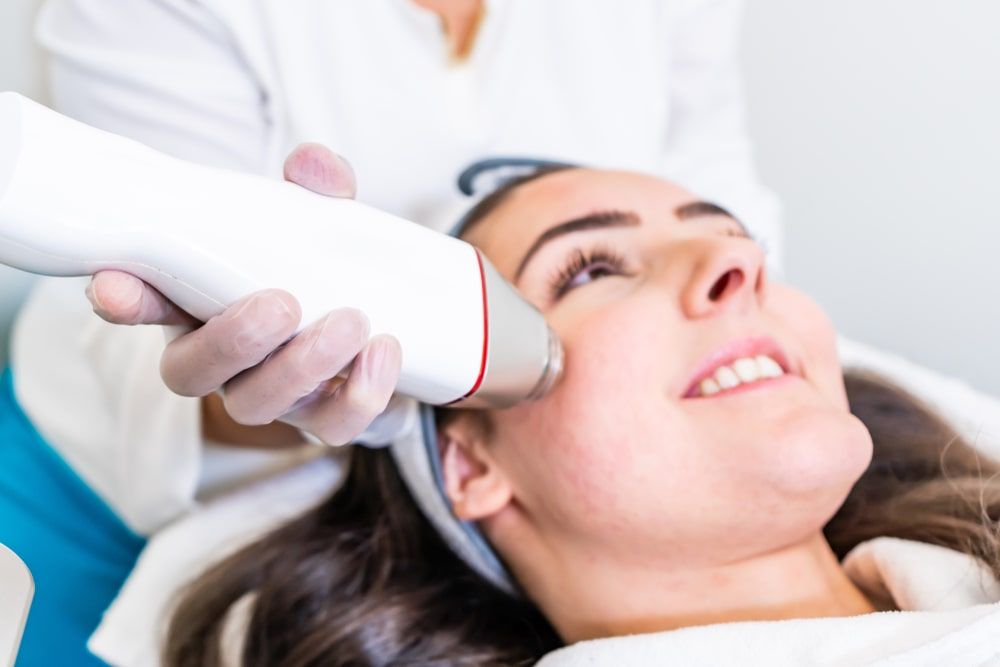
Medspa treatments can play a valuable role in managing adult acne by addressing both surface‑level concerns and deeper underlying issues. Treatments such as targeted acne treatment protocols can help reduce inflammation, clear clogged pores, and minimize bacteria on the skin. These approaches often combine professional‑grade techniques with customized skincare recommendations to support long‑term improvement.
Exfoliating treatments like chemical peels can help remove dead skin cells and reduce congestion, making them beneficial for individuals with frequent breakouts or uneven texture. Peels can also help fade post‑inflammatory hyperpigmentation, a common concern for adults who experience lingering dark spots after acne heals. Similarly, a HydraFacial can deeply cleanse and hydrate the skin while gently extracting impurities.
For individuals with acne scarring or persistent texture irregularities, treatments such as microneedling or fractioned radiofrequency may support collagen remodeling and smoother skin over time. Those dealing with discoloration from past breakouts may also explore IPL treatment for pigment removal at separate appointments to help even out skin tone.
Combining Treatments for Comprehensive Results
Because adult acne often has multiple contributing factors, combining treatments can provide more comprehensive and lasting results. A single approach may not fully address inflammation, bacteria, clogged pores, and pigmentation all at once. By layering treatments strategically, individuals can target each aspect of acne more effectively.
For example, someone experiencing active breakouts may begin with acne‑focused treatments and incorporate exfoliating options like chemical peels to maintain clarity. Once breakouts are under control, collagen‑stimulating treatments such as microneedling can help improve scarring and texture. Hydrating treatments like HydraFacials can be added periodically to support overall skin health and prevent future congestion.
This multi‑step approach allows individuals to address both immediate concerns and long‑term skin goals. With guidance from a knowledgeable provider, adults can create a personalized plan that evolves with their skin’s needs.
Closing Thoughts
Adult acne can be complex, but understanding its causes and exploring effective treatment options can make a significant difference in long‑term skin health. At Nida Medspa in East Longmeadow and Springfield, MA, Dr. Nidah Khan and her team emphasize education to help clients navigate their acne concerns with confidence. With the right combination of treatments and ongoing care, clearer and healthier skin is achievable at any age.
Resources
Dreno, B., et al. (2015). Adult female acne: A new paradigm. Journal of the European Academy of Dermatology and Venereology.
Zaenglein, A. L. (2018). Acne vulgaris. New England Journal of Medicine.
Tanghetti, E. A. (2013). The role of inflammation in the pathology of acne. Journal of Clinical and Aesthetic Dermatology.